Question:
What frequencies and what other things can I do to solve this problem.
Answer:
Use the Rife Digital Professional V3 (RDPV3) with straps on the hands. Make sure the metal part of the strap is facing the palms of each hand.
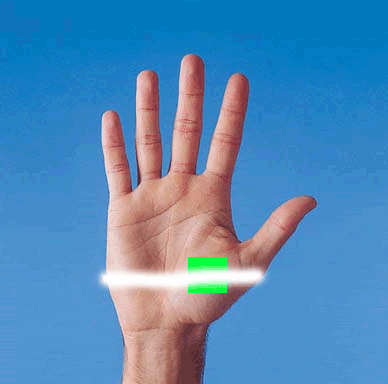
Program the RDPV3 with Group: Nail Fungus: 0.07, 0.35, 0.7, 45, 77.25, 114.69, 320, 637.1, 805.87, 973.5
Home Care Instructions for Fungal Nail Infection
Overview
Fungal nail infections can be difficult to treat because the fungus lives underneath the hard nail plate. Antifungal creams often work very well on skin infections, but they cannot penetrate thick nails effectively on their own.
Dermatologists commonly combine mechanical nail thinning with antifungal medication to improve treatment success. While dermatology clinics use specialized equipment, similar tools can be purchased for home use.
Professional treatment can be expensive and may require multiple visits, which is why many people choose to manage the process at home.
Use an over-the-counter antifungal cream such as Clotrimazole.
Step 1 — Antifungal Medication
Clotrimazole is inexpensive, widely available at pharmacies, and does not require a prescription. It is commonly used to treat fungal skin infections such as Athlete’s foot.
However, when nails are thick, the medication may have difficulty penetrating the nail plate. For this reason, the nail should first be thinned to allow the medication to reach the fungus underneath.
Step 2 — Nail Thinning Tool
Dermatologists typically use electric nail drills to thin infected nails. Similar tools designed for manicure and pedicure use can be purchased online.
“Professional Manicure Pedicure Kit, Electric Nail File Set, Cordless Electric Nail Drill Machine
These devices can gently remove damaged nail material.
Step 3 — Thinning the Nail
- Work on one fingernail at a time.
- Use the tool to gradually grind down the surface of the nail.
- The process should be painless because the nail plate itself has no nerve endings.
- As you remove the damaged nail, you may notice fine white powder, which is a mixture of nail material and fungal debris.
- Continue slowly until the nail becomes thin but not painful.
Your goal is to remove:
- yellow or discolored nail
- thickened nail areas
- loose or powdery fungal material
Stop when only healthy, thin nail remains, which may appear slightly pink due to the nail bed underneath.
Repeat this process carefully on all affected nails.
Step 4 — Applying the Antifungal Cream
After thinning the nails:
- Apply clotrimazole to each nail.
- Ensure the cream reaches:
- the edges of the nail
- under the nail where possible
- the skin around the nail.
Apply three times per day for 30 days.
Because the nail has been thinned, the medication can now reach the fungus much more effectively.
Step 5 — Ongoing Nail Maintenance
During treatment:
- Keep nails short and thin.
- Regularly trim or lightly grind the nails to prevent thick areas from forming again.
- Thick nails can trap moisture and allow fungus to regrow.
After the first month:
- Apply clotrimazole once daily before bed.
- Overnight application allows the medication to remain on the nail longer without being washed away.
Expected Results
After thinning the nails, their appearance may improve quickly because the damaged surface has been removed. However, ongoing antifungal treatment is still necessary to eliminate any remaining fungal spores under the nail. Repeat the nail grinding procedure as the nails start to grow back, and one can also incorporate the RDPV3 Anti-Fungus frequency group throughout this treatment.